 tacey
tacey Install on Shopify
The average Shopify store loses approximately 70% of its carts before a customer completes a purchase. Most merchants know this number in the abstract. Fewer understand where those carts actually die. This means the recovery tools they invest in often solve for the wrong moment. Abandoned cart emails and retargeting ads are recovery mechanisms that activate after a cart is already lost.
This article is about what happens before that. We will cover the structural reasons carts are abandoned in the first place. Fixing these root causes can improve conversion rates in a way that no recovery sequence can match. It is about prevention, not just recovery.
Why is the 70% cart abandonment rate misleading?
The 70% average is misleading because it combines two different problems. A large portion is from shoppers who never intended to buy. The rest, however, is from motivated buyers who abandoned due to friction. Focusing on this preventable, friction-based abandonment is the key to meaningful revenue recovery.
The Baymard Institute places the average cart abandonment rate at 70.19%, based on 49 studies. For a store with 500 monthly orders, this means 1,167 carts are started to get 350 sales. The 817 abandoned carts represent over $69,000 in potential monthly revenue at an $85 average order value.
Not all of this is recoverable. Research shows 58.6% of US shoppers abandon carts because they are just browsing. This is an intent problem, not a conversion problem. However, the remaining 41% of abandonments happen to people who wanted to buy but could not. This is a friction problem, and friction is fixable within your store.
This distinction is critical. Most merchants treat cart abandonment as a single issue to be solved with recovery emails. In reality, they face two separate issues. One is intent-based abandonment, which no tool can fix. The other is friction-based abandonment, which is almost entirely within a merchant's control and offers the highest-leverage improvements.
What are the main reasons customers abandon their carts?
Customers abandon carts for specific, identifiable reasons related to friction in the checkout process. According to Baymard's 2024 checkout usability research, the top causes are unexpected costs, forced account creation, and a long or confusing process. These are not guesses; they are observed moments where real customers with intent to buy simply gave up.
- Forced Account Creation: The single largest driver of preventable abandonment is requiring an account to check out. Baymard Institute data from 2024 shows 24% of US shoppers have abandoned a cart for this reason. Guest checkout is not a concession; it is the expected default for many.
- Unexpectedly High Extra Costs: About 47% of shoppers abandon checkout due to unexpected costs like shipping and taxes, per Baymard's 2024 data. The issue is not the cost itself, but the surprise. Make all costs visible on the product or cart page using tools like Shopify's native shipping rate calculator.
- Long or Complicated Checkout Process: A checkout that is too long or complex causes 18% of shoppers to leave (Baymard, 2024). Shopify's one-page checkout and accelerated options like Shop Pay, which converts 50% higher than guest checkout, solve this.
- Security and Trust Concerns: Roughly 17% of shoppers abandon because they do not trust the site with their payment information (Baymard, 2024). Trust signals like SSL certificates, recognizable payment logos, and visible return policies are crucial. Shopify Payments handles this natively.
- No Clear Delivery Timeline: Not knowing when an order will arrive is a major concern. About 22% of shoppers have abandoned a cart because delivery was too slow or no estimate was provided (Baymard, 2024). Use Shopify's Order Delivery Date features to provide clarity.
- Complicated Returns Policy: An unclear or restrictive returns policy causes 11% of shoppers to abandon their purchase (Baymard, 2024). The policy does not need to be overly generous, but it must be easy to find and understand before the customer commits to buying.
Are abandoned cart emails enough to solve the problem?
No, abandoned cart emails are not enough. They only attempt to recover a small fraction of lost sales and do nothing to address the underlying reasons for abandonment. While they can recover some revenue, focusing on them ignores the much larger opportunity to prevent carts from being abandoned in the first place.
Data from Klaviyo's 2024 benchmarks shows that abandoned cart emails have an average conversion rate of around 2.4%. For a store abandoning 817 carts a month, this recovers about 20 orders. At an $85 AOV, that is $1,700 in recovered revenue. This is valuable, but it means 97.6% of abandoned carts remain lost.
Fixing the checkout friction problem prevents abandonment before it happens. Baymard's analysis suggests that optimizing checkout usability can increase conversion rates by an average of 35.26% (Baymard Institute Checkout Benchmark). This is a permanent lift that compounds over time, improving the return on all your marketing efforts.
How can I find the friction points in my own checkout?
You can find friction points by conducting a simple audit of your checkout process from the customer's perspective. This is not a technical project. It is a structured review of every step a customer takes from adding an item to their cart to completing the payment, looking for known issues.
- Step 1: Map your checkout flow. Count the number of pages or stages a customer must navigate. For most modern Shopify stores, this should be a single page. If it is more, question if every step is truly necessary.
- Step 2: Audit your form fields. List every field your checkout requires. Baymard's research found the ideal is 12 to 14 fields, but the typical checkout has 23.48 (Baymard Institute, 2024). Remove any field not essential for fulfillment.
- Step 3: Check for cost visibility. Go through your checkout process up to the final payment step. Note any new costs, like shipping or taxes, that appear after the cart page. Any surprise cost is a potential abandonment trigger.
- Step 4: Test your checkout on mobile. Mobile accounts for the majority of Shopify traffic, according to Shopify's 2024 Commerce Report. A checkout that is difficult to use on a small screen will lose a significant number of mobile visitors.
- Step 5: Review your trust signals. Use an incognito browser to view your checkout as a new customer would. Look for SSL indicators, recognizable payment logos, and an easily accessible return policy link near the payment button.
Should I stop using retargeting ads for abandoned carts?
No, but you should fix your checkout friction first. Retargeting ads activate after a cart is abandoned, and their cost scales with your abandonment volume. By reducing preventable abandonment first, you lower your reliance on paid recovery and make your overall marketing spend more efficient.
A store spending $500 per month on retargeting to recover 3% of abandoned carts might generate $2,100 in revenue. The effective cost is about $0.24 per recovered dollar. Fixing the checkout generates that same revenue without the recurring ad spend. The fix has a one-time cost, while retargeting is a continuous expense.
Retargeting is still useful for customers who were browsing and needed a reminder. The argument is about sequencing. First, fix the friction that causes unnecessary abandonment. Then, use recovery tools like retargeting for the intent-based abandonment that remains. This approach is more sustainable and profitable.
How does checkout speed affect my conversion rate?
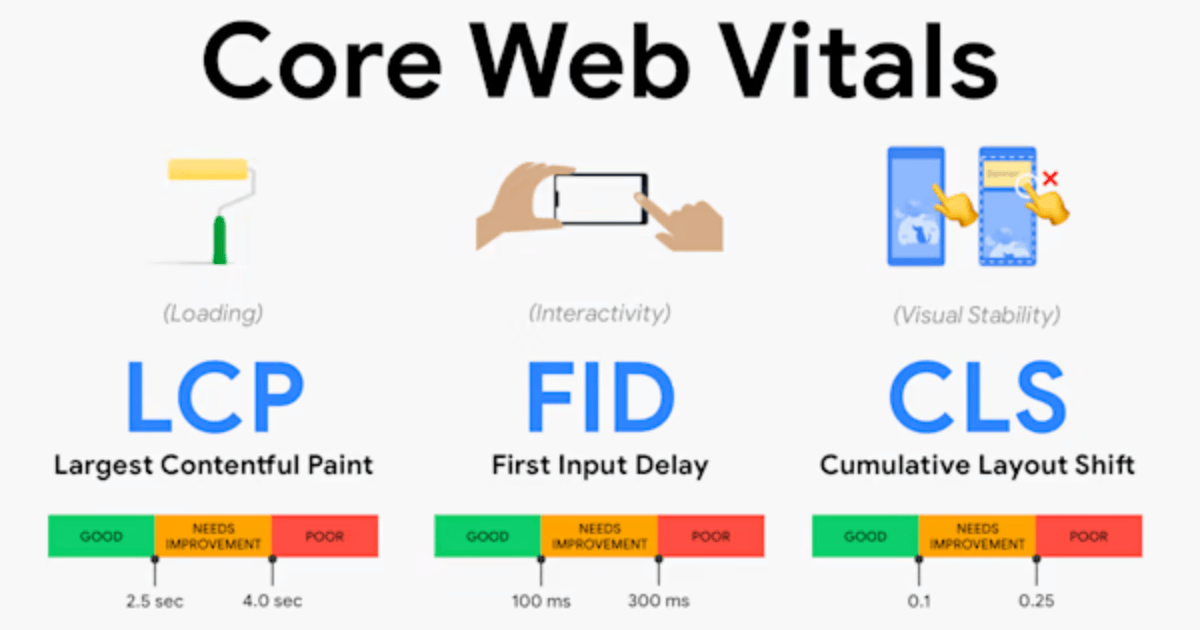
Checkout speed has a direct and significant impact on your conversion rate. Google's research found that for every one-second delay in mobile page load time, conversions can fall by up to 20%. A slow checkout feels untrustworthy and frustrating, causing potential buyers to leave just before paying.
Shopify's hosted infrastructure is fast, but theme customizations, third-party app scripts, and unoptimized images can add significant load time. Use Shopify's built-in speed report for a baseline analysis. For a more detailed breakdown, use Google's PageSpeed Insights tool to identify specific issues.
Is Shop Pay really better than a standard guest checkout?
Yes, the data shows Shop Pay is the single highest-converting checkout option on the Shopify platform. It is not a third-party app; it is a native feature available to any merchant using Shopify Payments. It dramatically reduces friction by autofilling a customer's information, leading to a much higher completion rate.
According to Shopify's published data from 2023, Shop Pay has a 91% checkout completion rate compared to 72% for regular guest checkout. This means roughly one in four checkouts that would have been lost are completed through Shop Pay. The process is simple: stored information is autofilled, and the customer confirms with a code sent to their phone.
How does post-purchase experience affect cart abandonment?
A poor post-purchase experience makes customers less likely to buy from you again, lowering their future conversion rate. A 2023 survey by Convey found that 84% of shoppers will not return to a retailer after a single poor delivery experience. Delivery reliability is not just a logistics metric; it is a conversion metric for repeat purchases.
A customer who has a seamless delivery is more likely to return and buy again. A customer who has to chase down a lost package due to a simple address error is likely lost forever. Fixing these operational issues is crucial. This is where tools like Tacey can help. It works between payment and fulfillment to check every order's address and lets customers fix their own errors on the order status page before the order ships.
Why should I fix checkout friction before focusing on recovery?
You should fix checkout friction first because the benefits compound. A recovery email might win back 2.4% of abandoned carts, a fixed return. But improving your baseline conversion rate by reducing friction provides a permanent lift. Every customer from every channel will convert at a higher rate, forever.
This improves your return on ad spend and increases the lifetime value of every customer cohort. You can still run recovery campaigns on top of this improved baseline to capture those who were just browsing. Baymard's estimate of a 35% potential conversion lift is an average. For stores that have not audited their checkout recently, the opportunity is likely even greater.
Frequently asked questions
What percentage of cart abandonment is preventable?
While many shoppers abandon carts simply because they are browsing, research suggests that 41% of abandonment is due to friction. These are motivated buyers who wanted to complete a purchase but encountered a problem. This segment is almost entirely preventable by optimizing the checkout experience.
What is the single biggest cause of checkout abandonment?
The single biggest reason for preventable cart abandonment is forcing customers to create an account before they can check out. Data shows that 24% of US shoppers have abandoned a purchase for this specific reason. Offering a simple guest checkout is the most effective way to solve this.
How many form fields should a checkout have?
According to usability research from the Baymard Institute, the ideal checkout flow contains between 12 and 14 form fields. The average e-commerce checkout, however, contains 23.48 fields. Removing unnecessary fields is a quick way to reduce friction and improve conversion rates.
Does Shop Pay increase conversions?
Yes, data from Shopify shows that Shop Pay converts at a rate 50% higher than standard guest checkout. Its checkout completion rate is 91% versus 72% for guest checkout. It achieves this by securely autofilling a customer's payment and shipping details, reducing the process to a few clicks.
How much can I improve conversions by optimizing my checkout?
The Baymard Institute estimates that the average e-commerce store can increase its conversion rate by 35.26% through checkout optimization. This involves fixing common friction points like unexpected costs, a long process, and a lack of trust signals. The gains can be even higher for stores with older, unoptimized checkouts.
Why do unexpected shipping costs cause abandonment?
Unexpectedly high costs are the top reason for abandonment, cited by 47% of shoppers. The issue is less about the cost itself and more about the psychological impact of a price mismatch. When the final price is higher than what the customer committed to mentally, it breaks their trust and their resolve to buy.
Is a complicated returns policy a major issue?
Yes, for 11% of shoppers, an unsatisfactory returns policy is a direct cause of cart abandonment. A policy that is hard to find, difficult to understand, or overly restrictive adds risk to the purchase. A clear, accessible returns policy builds the confidence needed to complete the transaction.
 Install on Shopify