 tacey
tacey Install on Shopify
Most Shopify merchants have a well-built acquisition funnel. They know their CAC. They split-test ad creative. They obsess over checkout conversion. Then a customer buys, receives an order confirmation email, and the brand moves on to finding the next customer.
This is the most expensive mistake in ecommerce.
Customer acquisition now costs 5 to 7 times more than retention. The average ecommerce store loses 70 to 75% of its customer base every year. That churn rate means every dollar spent acquiring a customer is mostly wasted on people who buy once and disappear. The brands that break this cycle are not the ones spending more on ads. They are the ones that figured out what happens after the first sale.
This article covers the specific post-purchase touchpoints that determine whether a first-time buyer becomes a repeat customer, with data behind each one.
The Economics Make the Case
Before getting into tactics, the numbers need to be clear.
A 5% improvement in customer retention can boost profits by 25 to 95%, according to Bain and Company. That range is wide because it depends on your margin structure, but the direction is consistent across every study on this question. Retained customers are dramatically more profitable than new ones.
The reason is compounding. Returning customers spend 67% more per order than first-time buyers. Their conversion probability is 60 to 70%, compared to 5 to 20% for a cold prospect. Repeat customers account for 44% of total revenue despite representing just 21% of a typical customer base. A smaller group generating nearly half the revenue is not a retention program outcome. It is what happens when you make the post-purchase experience worth returning for.
The average Shopify store has a repeat purchase rate of 27 to 28%. Top-performing DTC brands reach 40% or higher. The gap between those two numbers is almost entirely explained by post-purchase infrastructure, not by product quality or ad spend.
The Order Confirmation Email Is the Most Wasted Asset in Ecommerce
Order confirmation emails are opened by 60 to 80% of recipients. That is the highest open rate of any email a Shopify merchant sends, including promotional campaigns, sale announcements, or anything with a discount attached. Customers open it because they want to confirm their order is real and see the details.
Most stores use this email exclusively as a receipt: order number, items purchased, delivery estimate, billing address. That is accurate and necessary. It is also a missed opportunity.
A high-performing order confirmation email does six things: confirms order details clearly to reduce post-purchase anxiety, sets realistic delivery expectations, provides a tracking link or CTA, presents a low-pressure cross-sell for a complementary product, offers a loyalty program enrollment invitation, and includes one brand-building touchpoint (a short note about the company or a behind-the-scenes detail) that creates a human connection.
None of this adds length that customers resent. It adds value that customers remember. The cross-sell alone, presented correctly, generates meaningful incremental revenue. Post-purchase upsell pages convert at 15 to 25%, the highest conversion rate in the entire funnel, because the customer is in a buying state. The guard is down. The decision has been made. A well-matched product recommendation at that moment lands differently than the same recommendation in a promotional email two weeks later.
The Anxiety Window: Day 1 to Delivery
The period between order confirmation and delivery is when buyer anxiety peaks. The customer has paid. The product is somewhere in the logistics chain. They have no visibility. This window produces more support tickets than any other stage of the customer journey.
Proactive shipping updates reduce WISMO (Where Is My Order) tickets by 30%. The math on that reduction is straightforward: every WISMO ticket your team does not have to answer is time and cost back into operations. More importantly, a customer who receives proactive updates without having to ask feels cared for. A customer who has to chase an order status feels forgotten.
The standard Shopify shipping confirmation email is a starting point. Merchants who handle the anxiety window well go further: a shipping confirmation that includes the expected delivery window (not just a tracking number), a mid-transit update if the delivery window is longer than three days, and a delivery confirmation email that arrives the day the package lands.
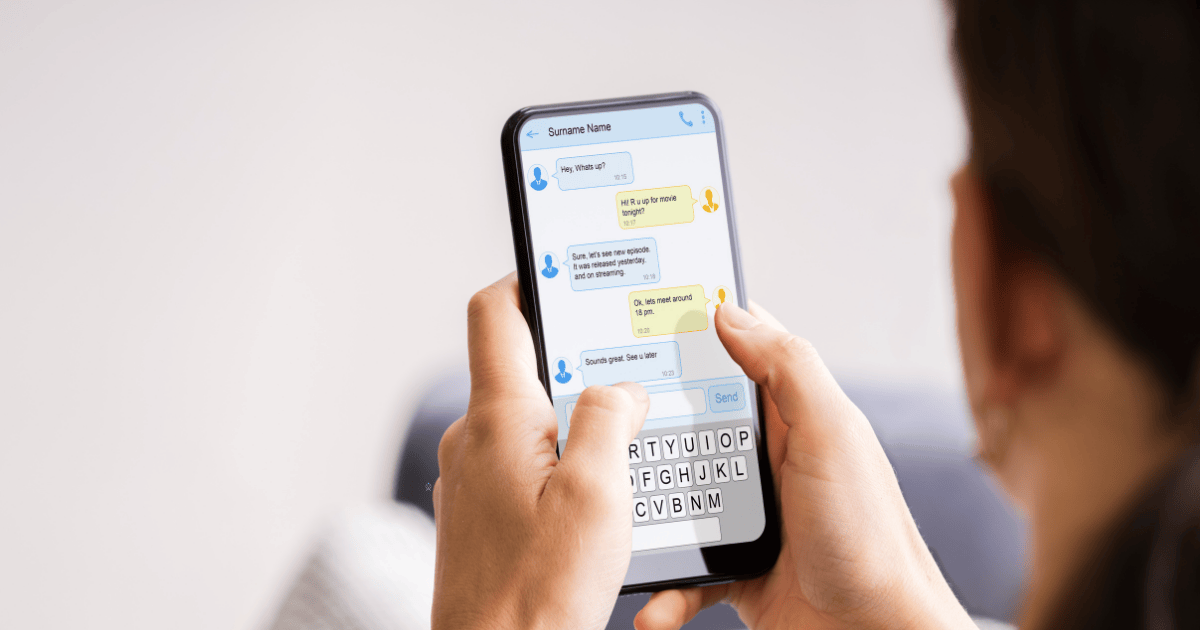
For higher-AOV products or long shipping windows, an SMS update at the point of dispatch and again at delivery outperforms email on engagement. SMS achieves 98% open rates versus approximately 20% for email in post-purchase contexts, and the response time from customers who need to take action, such as being home for a signature, is dramatically faster.
The Delivery Moment Is an Experience, Not a Transaction
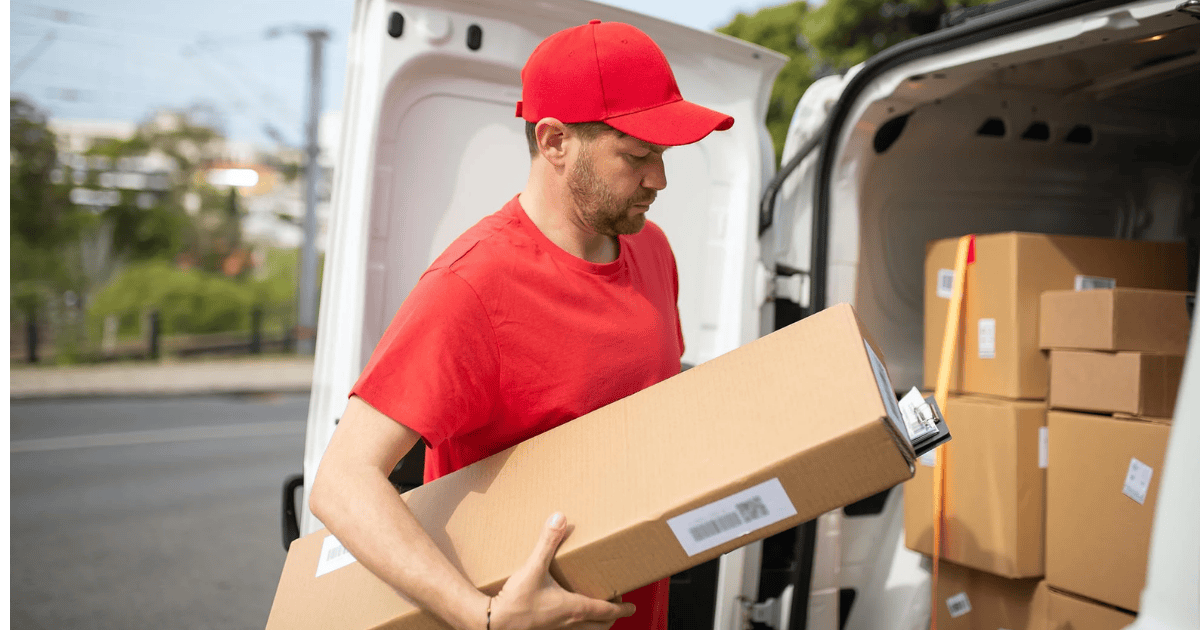
The product arriving is the emotional peak of the buying journey. The customer has been anticipating this. What they encounter when the package lands either confirms or undermines every expectation built by your product pages and marketing.
For most Shopify merchants, the unboxing experience is an afterthought. Brown box, packing peanuts, invoice tucked inside. That experience communicates nothing about your brand. It is invisible.
This does not require expensive packaging. The brands that create memorable unboxing moments with modest budgets do it through specificity and intent: a handwritten (or printed-to-look-handwritten) thank you card with the customer's name, tissue paper in a brand color, a small free sample or unexpected addition, and a QR code that leads to a post-purchase welcome page or care guide.
The free addition deserves particular attention. A free product on first order creates a memorable unboxing experience at a fraction of the cost of acquiring a new customer. The psychological effect is disproportionate: a customer who opens a box and finds something they did not expect tells people about it. The referral value of that moment often exceeds the cost of the item included.
For merchants shipping physical goods where address accuracy matters at delivery, the unboxing moment is also when delivery failures become visible. A package that arrives at the wrong address, gets returned to sender, or triggers a carrier correction fee erases the goodwill built by everything that came before it. The operational work of getting the address right before the warehouse ships is the foundation on which post-purchase experience is built. Apps like Tacey operate at the order webhook layer, holding orders with address problems before fulfillment begins rather than discovering the issue after the package has already shipped to the wrong location.
The Review Request: Timing Is Most of the Job
Review requests sent 5 to 7 days after confirmed delivery have the highest response rate. Review request timing improvements alone increase review response rates by 40%. This is one of the most straightforward wins in post-purchase optimization: send the request at the right time.
The right time is not the day of delivery. The product just arrived. The customer has not used it yet. They have nothing specific to say. Wait until they have had a few days to experience the product. Then ask.
The ask itself matters. "Leave a review" produces generic responses. A prompt that includes a specific question produces reviews that are actually useful to future shoppers: "How are the shoes fitting after a few days of wear?" or "Has the product held up to what you were hoping for?" Specific prompts produce specific answers, and specific reviews are more persuasive than generic ones. They are also more valuable for AI-driven product discovery, where agents use review content as data for recommendations.
Customers who leave reviews are twice as likely to purchase again. The act of articulating a positive experience reinforces the customer's satisfaction with their decision. This is not a marketing insight. It is how human psychology works. Getting a customer to write a review is not just about social proof for future buyers. It is a retention mechanism for the reviewer.
The Post-Purchase Email Sequence: Day by Day
Shopify stores send an average of 3.2 pre-purchase emails for every 1 post-purchase email. That ratio reflects where most merchants focus attention. It is inversely related to where the retention opportunity lives.
A structured post-purchase sequence for physical product merchants:
Day 0, Order Confirmation: Confirm details, set delivery expectations, soft cross-sell.
Day 1, Shipping Confirmation: Tracking link, expected delivery window, what to do if there is a delivery issue.
Day 5 to 7 after delivery, Review Request: Specific prompt, easy one-click process.
Day 14, Onboarding / Value Add: Care guide, usage tips, or content that helps the customer get more from the product. For consumables, include a reorder CTA.
Day 30, Loyalty Invite or Milestone: If you have a loyalty program, this is when to enroll first-time buyers formally. If you do not, a "second purchase" incentive email at 30 days performs similarly.
Day 60 to 90, Win-Back (if no second purchase): A reengagement email with a targeted offer. Win-back campaigns at 90 days achieve a 15% reactivation rate. For a store with meaningful first-purchase volume, that 15% is not a small number.
This sequence costs nothing beyond the time to build it. Shopify Email and Klaviyo both support the automation logic needed to run it. The reason most merchants do not have it is not that it is difficult. It is that the post-purchase window feels invisible compared to the urgency of acquisition.
The Loyalty Program Is a Retention Infrastructure Decision
A loyalty program is not a marketing campaign. It is infrastructure. The decision to build one is a decision about whether you want a structural mechanism that gives customers a reason to return beyond simply wanting the product again.
Loyalty program members generate 115% higher revenue per customer and maintain a 50% repeat purchase rate compared to 10.7% for non-members. VIP tier customers generate 73% higher average order values and make 3.6 times more purchases than standard customers. These are not incremental improvements. They are structural differences in customer behavior.
The mechanics that work: points on every purchase with a visible progress bar toward a reward, a first-order bonus that makes enrollment immediately worthwhile, a birthday reward that creates a predictable annual reengagement moment, and a VIP tier threshold that gives high-frequency buyers a status to protect.
The mechanics that do not work: points with no visible progress indicator, rewards that require thousands of points before anything meaningful is accessible, and programs that email customers about their points balance without giving them a reason to spend them.
For merchants not yet ready for a full loyalty program, the simpler version is a post-purchase discount code for the second order included in the Day 30 email. It does not compound the way a loyalty program does, but it creates a behavioral nudge toward repeat purchase that is better than doing nothing.
Where to Start If You Are Starting From Zero
If your current post-purchase experience is an order confirmation and a shipping notification, build in this order:
Fix the order confirmation email. Add a cross-sell, a loyalty program invite if you have one, and a human note from the founder or team. This is a one-hour change.
Add a delivery confirmation email. Simple, transactional, warm. Confirm the package arrived and set up the review request that follows.
Set your review request timing to 5 to 7 days post-delivery. If you are using Shopify's native review tools or a third-party app, adjust the send window now.
Build a 30-day win-back email. A single reengagement email at 30 days for customers who have not made a second purchase, with a relevant offer, will move your repeat purchase rate.
Audit your shipping communication. Is your tracking email clear? Does it include the expected delivery window? If a package is delayed, do customers find out from you or from complaining?
Post-purchase experience is the highest-ROI investment most Shopify merchants are not making. The customers are already yours. The communication infrastructure exists. The data is in your admin. The gap is attention, and the cost of closing it is lower than one day of ad spend.
 Install on Shopify