 tacey
tacey Install on Shopify
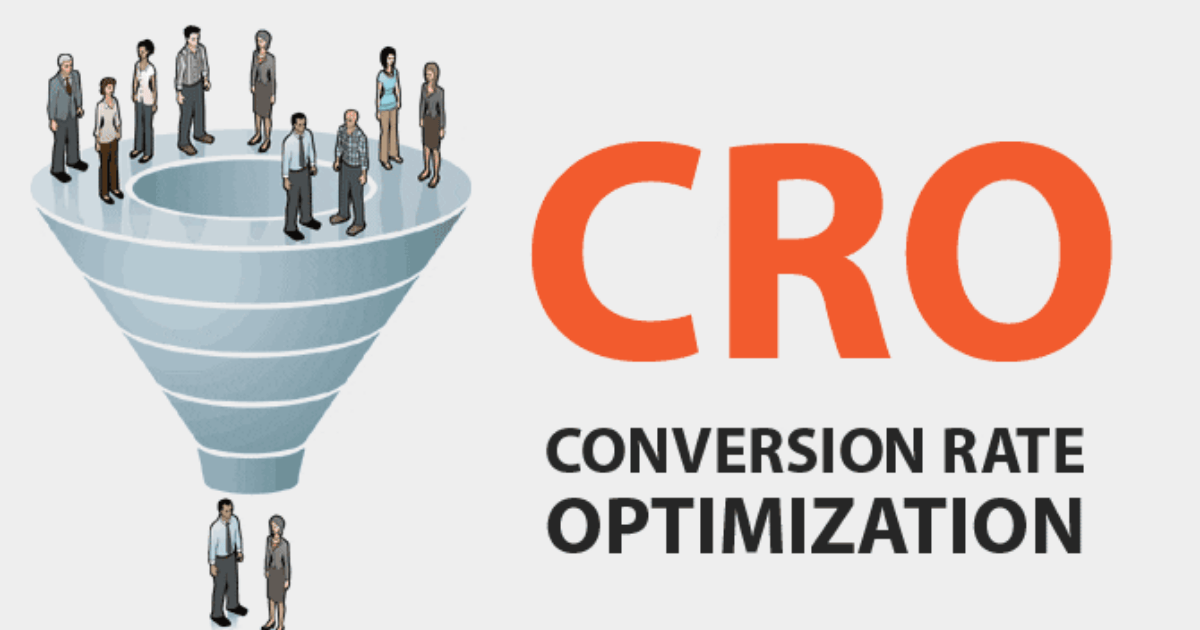
The average Shopify store converts 1.4% of its traffic into purchases. Top stores perform much better. The top 20% of stores convert at 3.2% or higher, while the top 10% reach 4.7% or more (LittleData, 2026). This gap is not due to better products or more ad spend. It comes from a systematic approach to improving the customer journey.
Top merchants remove friction, build trust, and optimize every touchpoint. In 2026, the tactics that move the needle have shifted. AI personalization is now a measurable tool, and mobile optimization is the main focus. Winning merchants treat CRO as a continuous, data-driven discipline, not a one-time project. This article covers what is genuinely working, backed by data.
Why should I focus on CRO instead of buying more ads?
Focusing on Conversion Rate Optimization (CRO) generates more revenue from your existing traffic, making it more cost-effective than acquiring new visitors. Improving your conversion rate is a permanent asset that compounds over time, unlike paid traffic which stops when you stop paying for it.
Consider the math. A store with 50,000 monthly sessions and a 1.4% conversion rate at an $85 average order value generates $59,500 per month. Moving that rate to 2.1% generates $89,250 from the same traffic. This is $29,750 in extra monthly revenue without spending more on acquisition. Achieving that same result through paid traffic would cost $28,000 to $60,000 per month.
As Shopify's own CRO data notes, a one-point improvement for a store doing $50,000 per month adds over $35,000 in monthly revenue from existing traffic. CRO improvements are permanent. A checkout optimization or product page improvement compounds indefinitely across all future traffic, unlike paid ads.
With customer acquisition costs rising across all channels in 2026, profitable growth comes from extracting more revenue from the traffic you already have. Only then should you focus on scaling acquisition.
How can I improve my mobile conversion rate?
You can improve your mobile conversion rate by designing a mobile-first experience. This means using sticky add-to-cart bars, promoting accelerated checkouts like Shop Pay, optimizing image and page speed, and simplifying your navigation. These changes address the main friction points that cause mobile shoppers to abandon their carts.
Mobile devices account for 79% of all traffic to Shopify stores (Uptek, 2026). Yet the average mobile conversion rate is only 1.2%, compared to 1.9% for desktop. This gap represents a huge amount of lost revenue. The issue is that most mobile experiences are just scaled-down desktop sites, not built for mobile from the ground up.
The merchants closing this mobile conversion gap in 2026 focus on four specific areas:
- Sticky add-to-cart bars. A sticky bar keeps the add-to-cart button visible as a customer scrolls. Baymard Institute research shows this can increase mobile conversions by 5 to 12%.
- Accelerated checkout options. Shop Pay converts at a 91% completion rate on mobile, versus 72% for guest checkout (Shopify, 2024). Placing these options prominently reduces form entry and friction.
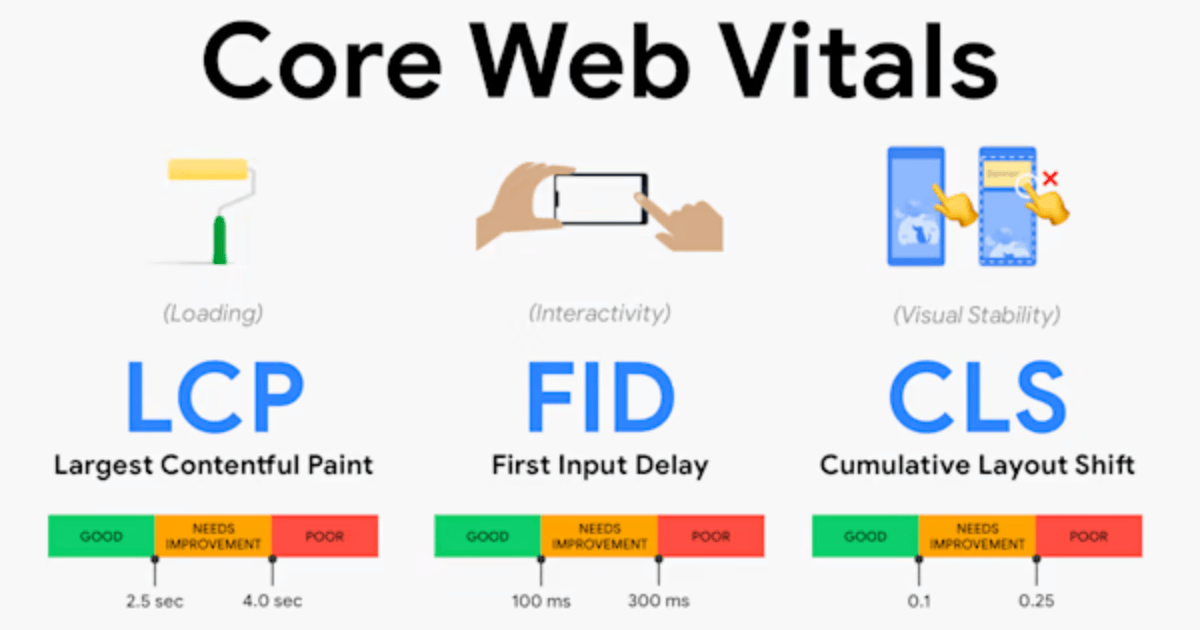
- Image and page speed optimization. A one-second improvement in mobile load time can boost conversions by up to 27% (Google research, via Ringly.io). This involves compressing images, using lazy loading, and auditing apps. Check your Shopify Speed Report weekly.
- Simplified mobile navigation. Top-converting mobile stores use flat navigation with three to five main categories. They feature a prominent search bar and ensure a clear path from the homepage to a product page in two taps or less.
How can I use AI to increase sales on my Shopify store?
You can use AI to increase sales by implementing behavior-based product recommendations, creating dynamic landing pages for different traffic sources, and using AI-driven search tools. These tactics personalize the shopping experience, leading to higher engagement and more conversions without needing a data science team.
According to Shopify's CRO statistics, personalized messaging leads to 50% better re-engagement and 21% more sales than generic messages. This applies to personalization based on customer behavior, not just using their first name. The most effective AI levers are:
- Product recommendation engines. Showing "frequently bought together" items based on behavior provides more uplift than generic bestseller lists. McKinsey research shows personalization can deliver a 10 to 15% revenue uplift.
- Dynamic landing pages by traffic source. A visitor from a TikTok ad should see a page that matches the ad, not your homepage. Matching the landing page to the visitor's intent and source consistently improves conversion rates.
- AI-driven search and discovery. About 69% of customers use the search bar upon arrival (research cited by Ringly.io). Search users convert at 2 to 3 times the rate of others (Shopify enterprise data). Third-party AI search tools like Searchie and Boost Commerce improve results and lift add-to-cart rates.
What's the best way to use reviews and social proof to increase conversions?
The best way to use social proof is to deploy it strategically across the entire purchase funnel. This means placing reviews near the price, prioritizing photo and video reviews, building review volume quickly, and using trust badges at checkout to address specific customer concerns at key decision moments.
"Trust is Everything: Social proof, especially product reviews, is no longer optional. Shoppers demand authentic feedback, and providing it is one of the fastest ways to lift conversions.", Yotpo, 2026
The social proof elements with the most measurable impact in 2026 are:
- Review placement near the price point. Displaying reviews directly under the product title and price anchors the purchase decision in peer validation. Baymard Institute research shows trust signals near the primary CTA are most effective.
- Photo and video reviews. A photo of a real customer using a product is more powerful than text alone, especially for fashion, skincare, and home goods. Yotpo's 2024 benchmark data confirms that products with photo reviews convert at higher rates.
- Review count thresholds. Volume signals legitimacy. A product with 47 reviews and a 4.6 rating is more persuasive than one with 3 reviews and a 5.0 rating. Sending review requests within 7 days of delivery can generate reviews 3 to 4 times faster.
- Trust badges at checkout. Research cited by Thunderbit shows 19% of customers abandon carts due to trust concerns. Displaying SSL, payment, and guarantee badges at the payment step directly addresses this issue.
How can I reduce cart abandonment at checkout?
To reduce cart abandonment, make guest checkout the default path, use Shopify's one-page checkout, display all costs transparently before checkout, and use exit-intent popups. These steps directly address the biggest causes of abandonment: forced account creation, friction, and surprise costs.
With a global cart abandonment rate of 70.19% (Baymard Institute, 2024), the checkout stage is where most conversion opportunities are lost. The highest-leverage fixes are found here. The checkout improvements with the largest impact in 2026 are:
- Guest checkout as the default path. Forced account creation is a top abandonment trigger. Baymard's research shows 24% of US shoppers abandoned a checkout for this reason. Offer account creation as an optional post-purchase step.
- Shopify's one-page checkout. This format, now the default, reduces page loads and interactions. Shopify's own data shows it improves checkout completion rates, especially on mobile where friction is a major issue.
- Transparent cost display before checkout. Unexpected shipping costs cause 47% of checkout abandonment, per Baymard Institute. Show shipping costs on product pages and in the cart to eliminate surprise. A free shipping threshold bar can also increase average order value.
UPS Pulse of the Online Shopper data shows free shipping thresholds set 15-20% above AOV can increase it by 12-18%.
- Exit-intent recovery. Popups that trigger when a user tries to leave can recover 3 to 5% of abandoning visitors (OptinMonster). For a store with 2,000 abandoned carts per month at an $85 AOV, this recovers $6,800 in monthly revenue.
How do I start A/B testing on my Shopify store?
Start by using a third-party app like Intelligems, Convert, or VWO, as Shopify has no native tool. Focus your tests on high-impact elements like headlines, CTA buttons, and product images. Ensure your tests run long enough to gather statistically significant data before making a decision.
Approximately 40% of Shopify stores are actively A/B testing (OptiMonk, 2026), meaning 60% still rely on intuition. A/B testing matters because what seems obvious is often wrong. Shopify's own documentation cites a test that increased conversion by 18% with a cart variant the design team did not expect to win.
Systematic A/B testing can increase conversion rates by up to 30% on high-traffic pages (Uptek, 2026). The highest-value elements to test in 2026 are:
- Product page headline and subheading copy
- CTA button text and color
- Product image sequence and type
- Pricing and offer framing
- Review placement
Shopify does not have a native A/B testing tool. Third-party tools like Intelligems, Convert, and VWO integrate with Shopify. They allow testing without needing a developer for most common test types.
A test needs a minimum sample size, typically several hundred conversions per variant, to be valid. A meaningful test duration for most stores is two to four weeks. The result should reach 95% statistical confidence before you make a decision based on it.
How can I sell more high-priced items on my product pages?
To sell more high-priced items, your product page must act like an expert salesperson. Use multiple high-quality images and video, display specific delivery dates, provide detailed material specifications, and offer clear size guides. These elements reduce uncertainty, which is the main barrier to a high-AOV purchase.
For products over $100, customers do not make impulse buys. They resolve uncertainty. The product page elements with the biggest impact on conversion for high-AOV items in 2026 are:
- Multiple image angles and video. Show the product from all angles, in context, and with a scale reference. A short video showing the product in use can improve conversion rates by 20 to 30% on its own by resolving tactile uncertainty.
- Specific delivery date display. "Arrives Tuesday, April 7" is more persuasive than "Ships in 3-5 business days." CRO Digital Marketing research identifies delivery uncertainty as a major conversion blocker.
- Explicit material and specification detail. Answer every potential question on the page. Include materials, dimensions, warranty information, and other key details. If customers have to leave your site to find an answer, they often do not return.
- Clear size guides and fit information. For apparel, fit uncertainty is the primary driver of hesitation. Use size guides with actual measurements, model size references, and clear descriptions of the fit style (e.g., slim, regular, relaxed).
How can I increase repeat purchases after a customer buys?
You can increase repeat purchases by optimizing the post-purchase experience. Use the order confirmation email for a helpful product tip, send a relevant cross-sell after delivery confirmation, and frame your review requests carefully. This turns a one-time buyer into a loyal customer, which is a powerful and often overlooked CRO lever.
The repeat purchase rate for the average Shopify store is about 28% (Uptek, 2026). Loyal customers spend up to 67% more than new ones (Shopify CRO statistics). A store with a 35% repeat rate generates far more revenue than one with a 20% rate, even with the same initial conversion rate.
The post-purchase interventions with measurable results in 2026 include:
- Order confirmation email with a product tip. This email has a 60-70% open rate. A single, useful tip about the product they just bought builds brand engagement at almost zero cost. Do not try to sell here.
- Delivery confirmation with a cross-sell. Send this 24 hours after delivery. A recommendation for a complementary product is highly effective at this moment, converting better than a standard promotional email.
- Review request with specific framing. Send this 7 days after delivery. Phrasing like "one sentence helps other people decide" outperforms a direct ask for a 5-star review, generating more and better quality reviews.
How do I find the biggest CRO opportunities in my store?
Start with a funnel audit using Shopify Analytics and a behavioral tool like Hotjar or Microsoft Clarity. Analyze your add-to-cart rate, mobile vs. desktop conversion, checkout drop-off points, and repeat purchase rate. The data will reveal your highest-leverage opportunities for improvement.
The four audit questions that reveal the best opportunities are:
- What is my add-to-cart rate? The Shopify benchmark is around 7.52% (Blend Commerce, 2026). If your rate is below 5%, focus on product pages and trust signals. If it is high but conversion is low, fix checkout friction.
- What is my mobile versus desktop conversion split? If your mobile conversion rate is less than half your desktop rate, mobile experience optimization is your highest-leverage investment. Focus on sticky CTAs, accelerated checkout, and speed.
- At which step of checkout do customers drop? Shopify's checkout analytics shows abandonment by stage. High drop-off at address entry suggests cost shock, while drops at payment suggest trust concerns.
- What is my repeat purchase rate? If it is below 25%, prioritize post-purchase email sequencing and improving product page depth. If it is above 30%, your post-purchase experience is working, and scaling traffic is a better investment.
CRO is not a one-time project. The stores converting at 4% and above are those that test constantly, measure everything, and apply what they learn. The compounding effect of this discipline over a year is what separates the top performers from the average.
Frequently asked questions
What is a good conversion rate for a Shopify store?
The average Shopify store converts at 1.4%. However, top-performing stores do much better. The top 20% of stores convert at 3.2% or higher, and the top 10% of stores achieve a conversion rate of 4.7% or more.
Why is guest checkout so important for conversions?
Guest checkout is crucial because forcing customers to create an account is a major reason for cart abandonment. Research shows 24% of US shoppers have abandoned a purchase in the last three months specifically because account creation was required.
How much does mobile page speed affect sales?
Mobile page speed has a direct and significant impact on sales. According to Google research, a one-second improvement in mobile load time can increase mobile conversions by up to 27%. Optimizing images and auditing apps are key to improving speed.
Do customers who use the search bar convert better?
Yes, customers who use your store's search bar are high-intent buyers and convert at a much higher rate. Data shows that visitors who use search convert at 2 to 3 times the rate of non-searchers, making search optimization a valuable CRO tactic.
How long should I run an A/B test for it to be useful?
A test must run long enough to gather statistically significant data, which is typically several hundred conversions per variant. For most stores, this means a minimum test duration of two to four weeks to ensure the results are reliable and not just noise.
What is the biggest reason customers abandon their carts?
Unexpected costs, particularly for shipping, are the single biggest trigger for checkout abandonment. Research from the Baymard Institute shows that 47% of cart abandonment is caused by extra costs being too high at the final stage of purchase.
How can I use the order confirmation email to improve CRO?
Use the order confirmation email to build your brand and set the stage for a repeat purchase. Since these emails have a very high open rate, including a single, genuinely helpful tip about the product they just bought can increase customer engagement at almost no cost.
 Install on Shopify